Introduction
Learning How to Reduce Automobile Running Costs Over Time can save drivers significant money. Vehicle expenses extend beyond the purchase price. Fuel, servicing, repairs, insurance, tyres, and depreciation all affect your budget.
Fortunately, many running costs can be controlled through simple habits. Regular maintenance keeps important components working efficiently. Better driving habits can also reduce fuel consumption and unnecessary wear.
The key is to treat your automobile as a long-term investment. Small savings made every month can become substantial over several years. With the right approach, you can enjoy reliable transportation without constantly increasing your vehicle expenses.
Understand Your Automobile Running Costs
Before reducing expenses, understand where your money goes. Keep track of fuel purchases, servicing, repairs, insurance, tyres, and other vehicle-related costs.
This information can reveal expensive habits. For example, frequent fuel stops may indicate inefficient driving or a mechanical problem. Repeated repair bills may suggest that preventative maintenance is being overlooked.
Tracking costs also helps you compare expenses from one year to another. As a result, you can identify areas where changes will have the greatest financial impact.

Follow a Consistent Maintenance Schedule
Regular maintenance is one of the most effective ways to reduce automobile running costs over time. Preventative servicing can identify small problems before they become expensive failures.
Follow the maintenance schedule recommended by your vehicle manufacturer. Pay attention to oil changes, filters, fluid levels, brakes, belts, and other important components.
Skipping routine servicing might appear to save money initially. However, neglected maintenance can increase fuel consumption and accelerate component wear.
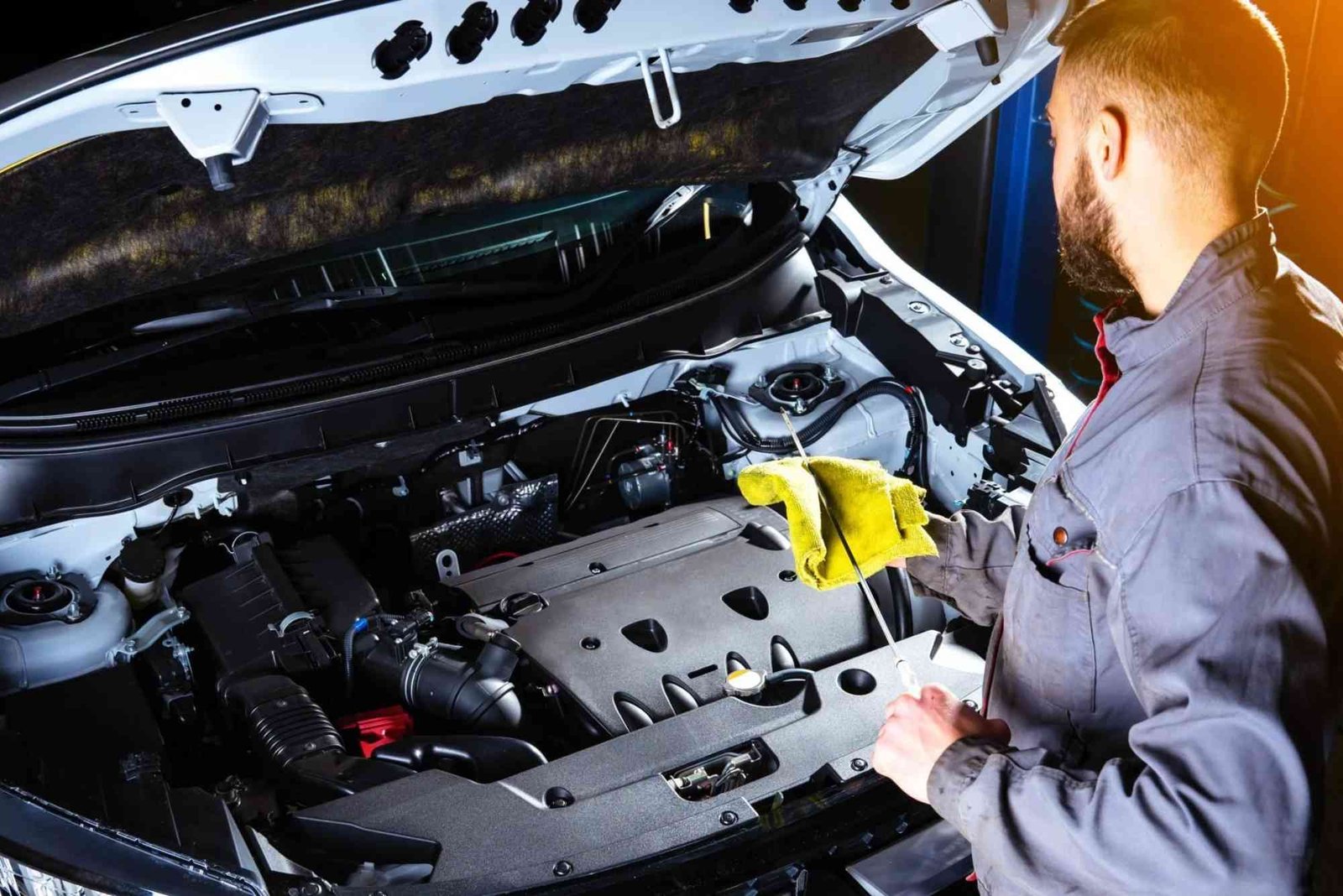
Change Engine Oil on Time
Engine oil reduces friction between moving components. Old or contaminated oil may reduce engine efficiency and increase wear.
Use the correct oil grade recommended for your vehicle. Also, follow the manufacturer’s recommended replacement interval.
Replace Filters When Necessary
Air and fuel filters influence engine performance. A restricted air filter can affect combustion efficiency.
Replacing filters when required helps the engine breathe properly. It can also support smoother performance and more consistent fuel economy.
Improve Your Driving Habits
Driving style has a direct influence on fuel consumption and mechanical wear. Aggressive acceleration, sudden braking, and excessive speeds can increase operating costs.
Instead, accelerate smoothly and maintain a steady speed whenever traffic conditions allow. Anticipating traffic can also reduce unnecessary braking and acceleration.
Avoid keeping the engine running while parked for long periods. Idling consumes fuel without providing useful distance.
Gentle driving also reduces stress on brakes, tyres, suspension components, and the drivetrain. Therefore, efficient driving can provide several types of savings simultaneously.
Maintain Proper Tyre Pressure
Correct tyre pressure is another important factor when considering how to reduce automobile running costs over time. Underinflated tyres create greater rolling resistance.
The engine must work harder to move the vehicle when resistance increases. Consequently, fuel consumption can rise.
Check tyre pressure regularly, especially before long journeys. Use the pressure recommended by the vehicle manufacturer rather than relying on the maximum pressure printed on the tyre.
Proper inflation also supports handling and tyre longevity. This means one simple habit can improve both safety and operating efficiency.
Choose Fuel Carefully
Fuel quality and purchasing habits can affect long-term vehicle expenses. Always use the fuel grade recommended for your automobile.
Using a higher grade than required does not necessarily provide better value. Follow your owner’s manual when choosing fuel.
Also, avoid unnecessary trips to fuel stations. Combining errands into one journey can reduce mileage and save time.
When possible, compare fuel prices from reputable stations in your area. However, avoid driving long distances solely to save a small amount on fuel.
Reduce Unnecessary Vehicle Weight
Carrying unnecessary items increases the amount of energy required to move a vehicle. This effect can become more noticeable during frequent driving.
Remove heavy equipment, unused tools, and other items that do not need to remain in the automobile.
However, do not remove essential safety equipment. The goal is simply to avoid carrying unnecessary weight every day.
Reducing clutter also makes the vehicle more practical. A lighter automobile can require less energy during regular journeys.
Use Air Conditioning Wisely
Air conditioning provides comfort, especially during hot weather. However, heavy use can increase fuel consumption.
Use climate controls sensibly and avoid unnecessarily low temperature settings. During moderate weather, ventilation may sometimes provide sufficient comfort.
At very low speeds, opening windows may be practical. At higher speeds, however, open windows can increase aerodynamic drag.
Therefore, choose the option that suits the driving conditions. Efficient climate-control habits can contribute to lower fuel expenses.
Plan Journeys More Efficiently
Poor trip planning can cause unnecessary mileage. Several short journeys can also be less efficient than combining errands.
Plan your daily activities around a practical route. Complete multiple tasks during the same trip whenever possible.
Use navigation tools to identify traffic delays and alternative routes. Avoiding heavy congestion can reduce fuel consumption and unnecessary engine idling.
Journey planning also reduces vehicle wear. Fewer unnecessary kilometres mean fewer opportunities for tyre, brake, and suspension wear.
Take Care of the Braking System
Brakes are essential for safety, but they also represent an ongoing maintenance expense. Avoid harsh braking whenever traffic conditions permit.
Look ahead and gradually reduce speed when approaching intersections or stopped traffic. This approach can reduce unnecessary brake-pad wear.
Never delay brake repairs to save money. A worn braking system can create safety risks and cause additional damage.
Replacing worn components early is usually more economical than allowing a minor issue to develop into a larger repair.
Look After Your Battery
A weak battery can create unexpected expenses and inconvenience. Regularly inspect the battery and keep its terminals clean.
If your vehicle remains unused for long periods, consider how that inactivity affects the battery. Short, infrequent journeys may also prevent the battery from receiving enough charging time.
Pay attention to slow starting, dim lights, or other warning signs. Addressing battery problems early can help prevent unexpected breakdowns.
Compare Repair and Service Costs
Automobile maintenance does not always need to be expensive. Compare prices from reputable service providers before approving non-urgent work.
However, price should not be the only consideration. Technician experience, replacement-part quality, warranty coverage, and service reputation also matter.
Cheap repairs can become expensive when poor-quality parts fail prematurely. Choose reliable workmanship that provides good long-term value.
For major repairs, ask for a clear explanation of the problem. Understanding the repair can help you make a more informed financial decision.
Use Quality Replacement Parts
Replacement parts influence vehicle reliability and long-term costs. Extremely cheap components may have a shorter service life.
Choose parts that meet the manufacturer’s specifications. Depending on the vehicle and component, reputable aftermarket parts can sometimes offer excellent value.
For critical systems such as brakes and steering, quality should always take priority over the lowest price.
A reliable component may cost slightly more initially. However, longer service life can make it more economical over time.
Avoid Ignoring Warning Signs
Small warning signs should never be ignored. Strange noises, unusual vibrations, dashboard warnings, fluid leaks, and changes in performance can indicate developing problems.
Addressing these symptoms early can prevent more extensive damage. For example, a minor fluid leak may become a major mechanical problem if neglected.
Learn what your vehicle’s warning lights mean. If a warning appears repeatedly, have the automobile inspected by a qualified professional.
Early diagnosis is an important part of reducing automobile running costs over time.
Protect Your Vehicle From Environmental Damage
Weather and environmental conditions can influence vehicle longevity. Extreme heat, moisture, dust, and direct sunlight can affect different components.
Whenever practical, park in a shaded or covered location. Regularly washing the vehicle can also remove dirt and contaminants.
Protecting the interior can reduce deterioration of seats, dashboards, and other surfaces. Exterior care can help maintain the vehicle’s appearance and condition.
A well-maintained vehicle may also retain better resale value. Therefore, basic protection can support both ownership savings and future value.
Drive at Economical Speeds
Speed has a strong relationship with fuel consumption. Driving at unnecessarily high speeds generally requires more energy.
Maintain a sensible speed that matches road conditions and legal requirements. Use cruise control where appropriate and safe.
Avoid frequent rapid acceleration and deceleration. Smooth, predictable driving generally improves efficiency and reduces mechanical stress.
This is especially useful for drivers who travel long distances regularly. Small improvements in fuel economy can create meaningful annual savings.
Consider Total Ownership Cost
When replacing a vehicle, do not focus only on its purchase price. Consider fuel economy, insurance, maintenance, reliability, tyres, and expected depreciation.
A vehicle with a lower purchase price may cost more to operate. Conversely, a slightly more expensive model may provide better long-term value.
Research expected maintenance requirements before purchasing. Also consider how easily replacement parts and qualified service providers are available.
Thinking about ownership costs before buying can prevent years of unnecessary expenses.
Build an Automobile Maintenance Budget
Creating a vehicle budget makes unexpected expenses easier to manage. Set aside money regularly for servicing, tyres, repairs, and other predictable costs.
Do not wait until a major repair occurs before considering maintenance expenses. Planned savings can reduce financial pressure.
Keep records of completed services and replaced components. These records can help you predict future maintenance requirements.
They can also demonstrate responsible ownership when you eventually sell the automobile.
Keeping your vehicle in good condition requires simple, consistent care. The Best Automobile Care Ideas for Daily Use Vehicles include regular oil checks, tire pressure monitoring, timely servicing, clean interiors, and proper fluid levels. These easy habits can improve safety, fuel efficiency, driving comfort, and overall vehicle performance while helping prevent costly repairs.
Frequently Asked Questions
How can I reduce my car running costs?
You can reduce car running costs through regular maintenance, efficient driving, correct tyre pressure, sensible fuel use, and careful journey planning. Avoiding unnecessary repairs and replacing worn components promptly can also save money.
What makes a car more economical to run?
Fuel efficiency, reliability, affordable maintenance, reasonable insurance costs, durable tyres, and strong resale value can make a car economical to run. Driving habits also have a major influence on ongoing expenses.
Does regular car maintenance save money?
Yes, regular maintenance can prevent minor problems from becoming expensive failures. Servicing can also help maintain fuel efficiency, component reliability, and vehicle performance.
How can I save money on fuel?
Drive smoothly, avoid excessive speeds, maintain correct tyre pressure, reduce unnecessary weight, and combine trips. Regular engine maintenance can also support efficient fuel consumption.
Is it cheaper to maintain an older car?
It depends on the vehicle’s condition. An older car with reliable components and consistent maintenance can be inexpensive to operate. However, frequent major repairs can make an older vehicle costly.
Conclusion
Knowing how to reduce automobile running costs over time is mainly about consistent, practical decisions. Regular maintenance, efficient driving, correct tyre pressure, sensible journey planning, and early repairs can all reduce expenses.
Related Reading: Best Automobile Tips for Driving in Summer Heat — full guide