Introduction
Daily driving can place constant stress on your vehicle. Short trips, traffic, harsh weather, poor roads, and frequent braking can gradually affect performance. Therefore, regular care is essential for keeping your car reliable and comfortable. The Best Automobile Care Ideas for Daily Use Vehicles focus on simple maintenance habits that prevent expensive problems and extend vehicle life.
You do not always need advanced mechanical knowledge to care for a daily-use vehicle. Small checks performed consistently can make a major difference. From monitoring fluids to maintaining clean interiors, every habit contributes to better vehicle performance. More importantly, proper automobile care can improve road safety and reduce unexpected repair costs.
Why Regular Automobile Care Matters
A vehicle used every day experiences more wear than a car driven occasionally. The engine operates frequently, tires cover more distance, and braking components face repeated friction. Consequently, minor maintenance issues can develop faster when they are ignored.
Following the Best Automobile Care Ideas for Daily Use Vehicles helps identify problems before they become serious. A strange sound, low tire pressure, weak battery, or unusual vibration may indicate an underlying issue. Addressing these signs early can save both time and money.
Regular care also helps preserve your vehicle’s resale value. Buyers generally prefer vehicles with clean interiors, healthy engines, good tires, and documented maintenance. Therefore, consistent care is useful even if you plan to sell your vehicle later.
Check Your Engine Oil Regularly
Engine oil plays an important role in reducing friction between moving engine components. Without sufficient clean oil, internal parts can experience excessive heat and wear.

Check the engine oil level according to your vehicle manufacturer’s recommendations. Park the vehicle on a level surface before checking it. If the oil level appears unusually low, investigate the reason instead of simply adding more oil repeatedly.
Oil also becomes contaminated over time. Therefore, follow the recommended oil change interval for your specific vehicle. Driving conditions may require more frequent servicing, especially when your vehicle spends considerable time in traffic.
Keep Tires Properly Inflated
Tire condition directly affects safety, handling, braking, and fuel efficiency. Incorrect tire pressure can cause uneven wear and make the vehicle less stable.
Check tire pressure regularly using a reliable pressure gauge. Always follow the recommended pressure shown by the manufacturer. Avoid using the maximum pressure printed on the tire sidewall as your normal setting.
Inspect the tires for cracks, bulges, punctures, or unusual tread wear. If one tire repeatedly loses pressure, have it inspected by a qualified technician. A small puncture or damaged valve may be responsible.
Proper tire care is among the most practical Best Automobile Care Ideas for Daily Use Vehicles because it supports both safety and operating efficiency.
Maintain the Battery and Electrical System
A weak battery can leave you stranded without warning. Daily driving may involve frequent starts, air conditioning, lights, infotainment systems, and phone chargers. These electrical demands can place additional stress on the battery.
Inspect the battery terminals for corrosion and ensure connections remain secure. If your vehicle starts slowly, do not ignore the warning signs. Slow cranking can indicate a weak battery or another electrical problem.
Battery life varies depending on climate, driving habits, and vehicle usage. Therefore, periodic battery testing can help identify declining performance before complete failure occurs.
Check Coolant and Other Essential Fluids
Your vehicle relies on several fluids for safe and efficient operation. Coolant helps control engine temperature, while brake fluid supports the braking system. Transmission fluid and power steering fluid may also require regular inspection, depending on the vehicle.
Never ignore fluid leaks underneath your car. A small stain can indicate a developing mechanical problem. The color and location of the fluid may help a technician identify its source.
Check fluid levels only according to the manufacturer’s instructions. Some systems should not be opened when hot. If you are unsure, allow a professional technician to inspect the vehicle.
Replace Air Filters When Necessary
Engine and cabin air filters both affect the driving experience. The engine air filter helps prevent dust and debris from entering the engine’s air intake system. A clogged filter can restrict airflow and potentially affect engine efficiency.
The cabin filter helps keep dust and pollutants from circulating through the vehicle’s ventilation system. This becomes particularly important for vehicles driven frequently in dusty or polluted environments.
Replacement intervals vary between vehicles. Therefore, inspect the filters during scheduled servicing and replace them when they become dirty or restricted.
Keep Brakes in Excellent Condition
Brake maintenance should always be treated as a safety priority. Daily driving means frequent braking, especially in busy urban traffic. Over time, brake pads, discs, and other components naturally wear.
Pay attention to squealing, grinding, vibrations, or changes in pedal feel. A vehicle that takes longer to stop should be inspected immediately.
Do not wait until brake components become completely worn. Preventive inspection can identify problems earlier and reduce the possibility of expensive repairs.
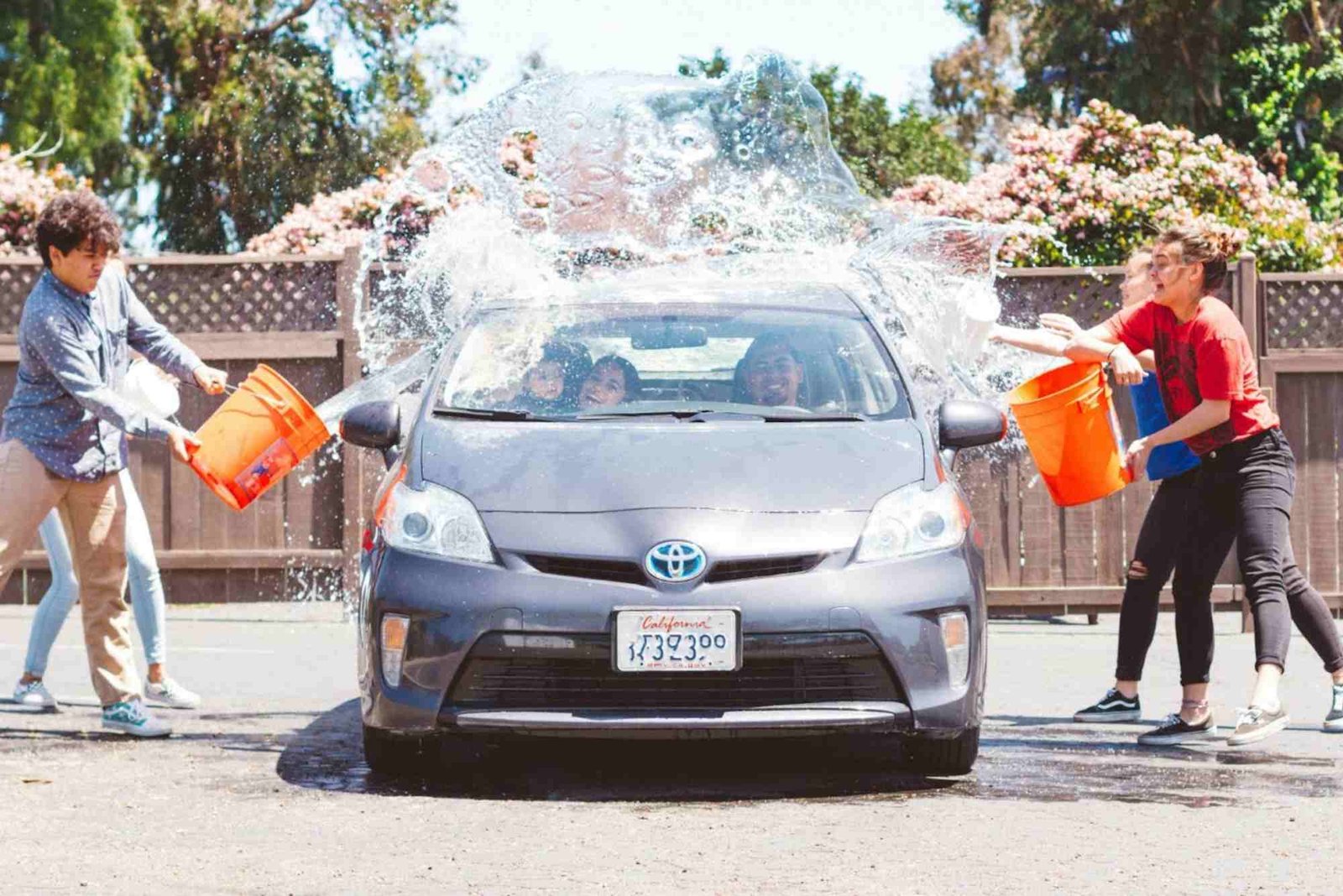
Wash and Protect Your Vehicle
Exterior cleaning is not only about appearance. Dirt, dust, road debris, and environmental contaminants can gradually affect paint and exterior surfaces.
Wash your vehicle regularly, particularly after driving through muddy or heavily polluted areas. Use automotive cleaning products rather than household detergents that may damage protective finishes.
Wax or apply an appropriate paint protectant when necessary. This can help preserve the exterior finish and make future cleaning easier.
Interior cleaning also deserves regular attention. Remove dust from the dashboard, clean floor mats, and address spills quickly. A clean cabin creates a more comfortable environment for everyday driving.
Follow Better Driving Habits
Your driving style has a significant effect on vehicle longevity. Aggressive acceleration, sudden braking, excessive speeding, and harsh cornering can increase wear on mechanical components.
Allow the vehicle to operate smoothly instead of constantly demanding maximum performance. Avoid unnecessary hard acceleration, especially when the engine is cold.
Additionally, avoid carrying unnecessary weight in the vehicle. Extra weight can increase fuel consumption and place additional demands on tires and suspension components.
Smooth driving is therefore one of the easiest Best Automobile Care Ideas for Daily Use Vehicles to apply without spending extra money.
Pay Attention to Warning Signs
Modern vehicles provide several warning indicators through the dashboard. These lights should never be ignored simply because the vehicle still appears to drive normally.
A check engine light, battery warning, oil warning, brake warning, or temperature warning can indicate a potentially serious problem. Some warnings may require immediate attention.
Unusual smells, noises, vibrations, or fluid leaks also deserve investigation. Learning to recognize changes in vehicle behavior can help prevent major breakdowns.
Follow the Manufacturer’s Maintenance Schedule
Every vehicle has different maintenance requirements. The manufacturer’s service schedule provides guidance for oil changes, filter replacement, inspections, fluid servicing, and other important procedures.
Following this schedule helps ensure that essential components receive attention at appropriate intervals. Keep service records so you can track previous maintenance and identify recurring issues.
If you frequently drive in heavy traffic, extreme temperatures, dusty environments, or on poor roads, ask a qualified technician whether your vehicle needs additional inspections.
Inspect Your Vehicle Before Long Trips
Daily maintenance becomes even more important before a long journey. A quick inspection can reduce the possibility of unexpected problems on the road.
Check tire pressure, tire condition, engine oil, coolant, lights, brakes, windshield washer fluid, and battery condition. Make sure essential documents and emergency equipment are also available.
A few minutes of preparation can provide greater confidence throughout the journey. It can also help you discover small issues before they become inconvenient or dangerous.
Use Quality Replacement Parts
When maintenance or repairs are required, quality replacement parts can make a meaningful difference. Cheap components may appear attractive initially, but poor-quality parts can wear faster or affect other systems.
Use parts that meet the vehicle manufacturer’s specifications. When possible, choose reputable brands and purchase components from reliable suppliers.
The same principle applies to engine oil, coolant, filters, brake components, and other consumables. Choosing suitable products supports consistent vehicle performance.
Create a Simple Automobile Care Routine
The most effective maintenance routine is one you can follow consistently. Check basic items regularly and schedule professional inspections according to your vehicle’s requirements.
For example, make tire condition and warning lights part of your regular driving awareness. Check fluid levels and the engine compartment periodically. Follow scheduled servicing instead of waiting for a problem to appear.
This approach makes automobile care less stressful. Instead of treating maintenance as an occasional emergency, you make it a normal part of vehicle ownership.
Having the right car accessories can make every journey safer, more comfortable, and convenient. From phone holders and emergency kits to seat organizers and charging solutions, the Top Automobile Accessories Every Driver Should Have can improve your driving experience while adding practical value to your vehicle.
Frequently Asked Questions
How often should I service my daily-use car?
The correct service interval depends on the vehicle, engine, mileage, and manufacturer recommendations. Many vehicles require servicing at specific mileage or time intervals. Always check your owner’s manual and consider your driving conditions.
How can I make my daily-use car last longer?
Regular servicing, proper tire pressure, smooth driving, timely oil changes, and quick attention to warning signs can extend vehicle life. Keeping the vehicle clean and following the manufacturer’s maintenance schedule also helps prevent premature wear.
What should I check on my car every week?
You can regularly check tire pressure, tire condition, fluid levels, lights, dashboard warnings, and visible leaks. These basic checks can help identify developing problems before they become expensive repairs.
Does regular car washing improve vehicle maintenance?
Yes. Regular washing removes dirt, dust, road contaminants, and other substances that can affect exterior surfaces. Interior cleaning also improves comfort and helps preserve the vehicle’s condition.
What are signs that a car needs immediate attention?
Warning lights, unusual engine noises, grinding brakes, overheating, strong burning smells, severe vibrations, and fluid leaks can indicate serious problems. Have the vehicle inspected promptly when these signs appear.
Conclusion
Following the Best Automobile Care Ideas for Daily Use Vehicles can make everyday driving safer, smoother, and more economical. Regular oil checks, proper tire inflation, battery care, brake inspections, fluid monitoring, and timely servicing can prevent many common problems.
Related Reading: Best Automobile Tips for Driving in Summer Heat