Introduction
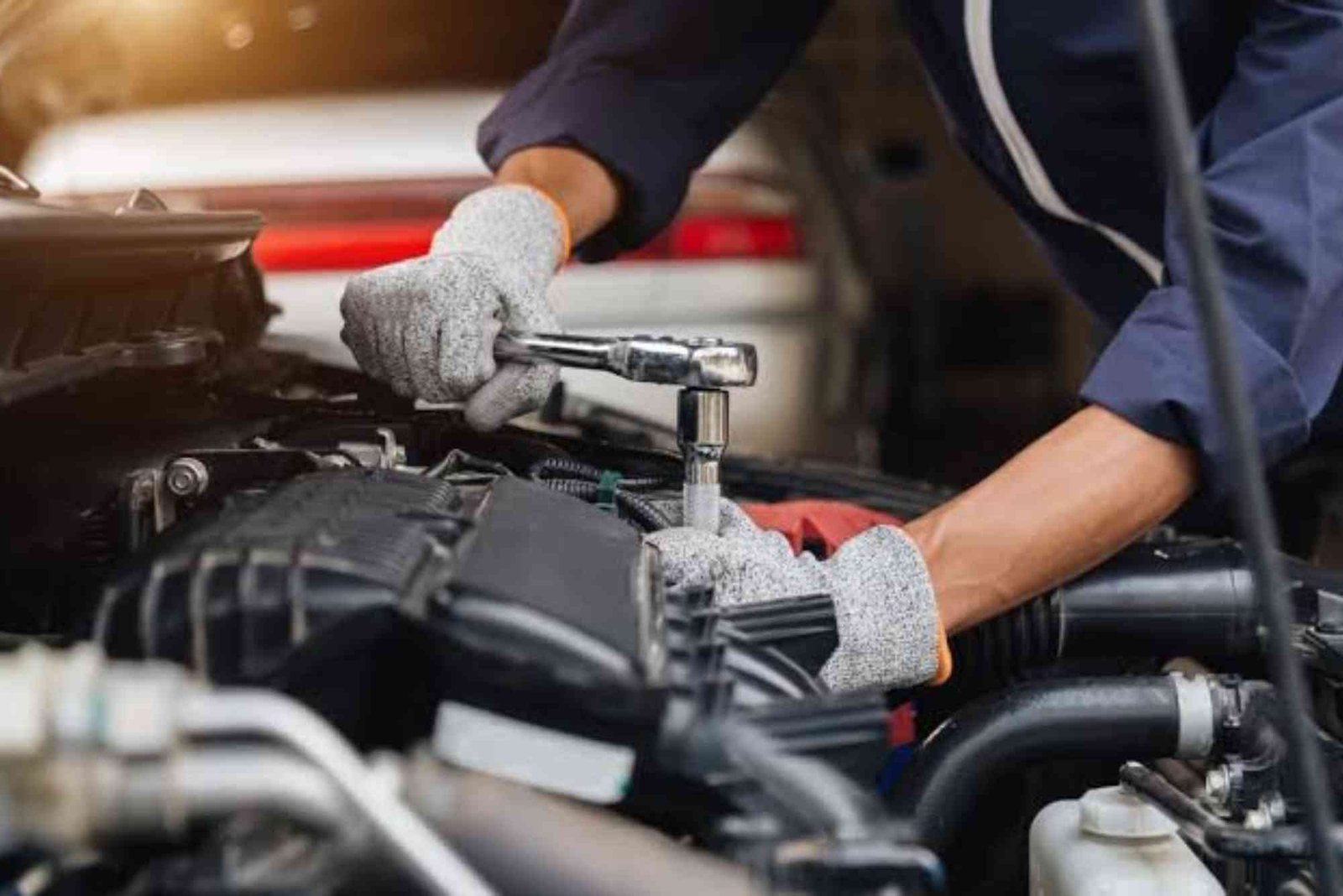
Understanding basic automobile maintenance needs is essential for every vehicle owner. A car is a complex machine that requires regular attention to stay reliable, safe, and efficient. Many drivers only visit a mechanic when a serious problem appears. However, regular maintenance can prevent expensive repairs and extend the life of a vehicle.
Learning How to Understand Basic Automobile Maintenance Needs helps drivers recognize warning signs, follow service schedules, and make better decisions about their vehicles. Basic maintenance does not always require advanced mechanical skills. With simple knowledge of fluids, tires, brakes, engine care, and inspections, anyone can improve their vehicle ownership experience.
A well-maintained automobile provides better performance, improved fuel efficiency, and greater safety on the road. Whether you drive daily or occasionally, understanding your car’s basic requirements is an important responsibility.
Why Understanding Automobile Maintenance Is Important
A vehicle depends on many connected systems working together. Engine components, electrical parts, tires, and safety systems must remain in good condition. Ignoring small issues can lead to major breakdowns and costly repairs.
Basic automobile maintenance allows drivers to identify problems before they become serious. For example, checking engine oil regularly can prevent engine damage. Monitoring tire pressure can improve handling and reduce fuel consumption.
Moreover, regular care improves driving comfort. A vehicle with properly maintained parts operates smoothly and creates fewer unexpected problems. Therefore, every car owner should understand the basic maintenance needs of their automobile.

How to Understand Basic Automobile Maintenance Needs
The first step in vehicle care is learning what your automobile requires. Every vehicle has a manufacturer-recommended maintenance schedule. This schedule explains when specific services should be completed.
Drivers should understand important maintenance areas, including engine oil changes, tire inspections, brake checks, battery care, and fluid replacement. These tasks keep the vehicle operating efficiently.
Reading the owner’s manual is one of the easiest ways to learn about your car. It provides information about recommended service intervals, suitable fluids, and important safety instructions.
Understanding Engine Maintenance
The engine is the heart of every automobile. Proper engine care ensures smooth performance and prevents expensive mechanical failures.
Checking Engine Oil Regularly
Engine oil reduces friction between moving parts and keeps the engine running smoothly. Over time, oil becomes dirty and loses effectiveness. Low or old oil can increase engine wear.
Drivers should check oil levels regularly and follow the manufacturer’s recommended replacement schedule. Using the correct oil type is also important for maintaining engine performance.
Monitoring Engine Warning Signs
Modern vehicles have warning lights that indicate possible problems. The check engine light should never be ignored. It may indicate issues with sensors, fuel systems, or engine components.
Unusual sounds, poor acceleration, smoke, or reduced fuel economy can also indicate engine problems. Early inspection can prevent larger repairs.
Maintaining Vehicle Fluids
Fluids play an important role in automobile performance. They help different systems operate safely and efficiently.
Engine Coolant
Coolant regulates engine temperature and prevents overheating. Low coolant levels can cause serious engine damage, especially during hot weather.
Drivers should check coolant levels and inspect for leaks. A professional inspection is recommended if coolant disappears frequently.
Brake Fluid
Brake fluid allows the braking system to function properly. Contaminated or low brake fluid can reduce braking performance.
Regular brake fluid checks improve driving safety and help maintain reliable stopping power.
Transmission Fluid
Transmission fluid supports smooth gear changes and protects transmission components. Neglecting transmission maintenance may result in expensive repairs.
Following the recommended service schedule helps maintain transmission efficiency.
Understanding Tire Maintenance
Tires are the only parts of a vehicle that directly contact the road. Proper tire care is essential for safety and performance.
Drivers should regularly check tire pressure because incorrect pressure affects handling and fuel economy. Underinflated tires create more resistance and wear faster.
Tire condition should also be inspected. Cracks, uneven wear, and low tread depth indicate that replacement may be necessary.
Wheel alignment and tire rotation also contribute to longer tire life. These services ensure even wear and improve driving stability.
Learning About Brake System Care
The braking system is one of the most important safety features of any automobile. Understanding basic brake maintenance helps prevent dangerous situations.
Brake pads naturally wear over time. Drivers should pay attention to warning signs such as squeaking noises, vibration, or longer stopping distances.
Regular brake inspections help identify worn components before they affect safety. Maintaining brakes properly provides confidence during daily driving.
Battery Maintenance Basics
A vehicle battery supplies power to start the engine and operate electrical systems. Battery problems are among the most common causes of vehicle breakdowns.
Drivers should inspect battery terminals for corrosion and ensure connections remain secure. A weak battery may cause slow engine starts or electrical problems.
Extreme temperatures can also affect battery performance. Regular testing helps determine whether replacement is needed.
Importance of Regular Vehicle Inspections
Routine inspections help detect problems before they become expensive repairs. A simple inspection can reveal issues with tires, fluids, lights, and mechanical components.
Professional servicing provides a detailed assessment of vehicle condition. Mechanics can identify problems that may not be visible during basic checks.
However, drivers should also perform simple inspections themselves. Checking lights, tire condition, fluid levels, and unusual noises can improve vehicle awareness.
Understanding the Automobile Maintenance Schedule
Every vehicle has different maintenance requirements. Factors such as driving habits, weather conditions, and mileage affect service needs.
A maintenance schedule usually includes regular oil changes, filter replacements, inspections, and system checks. Following this schedule prevents unnecessary damage.
Drivers who frequently travel long distances or drive in harsh conditions may require more frequent maintenance. Understanding these factors helps create a suitable care routine.
Common Automobile Maintenance Mistakes
Many vehicle owners make mistakes that reduce automobile reliability. One common mistake is delaying routine service because the vehicle appears to run normally.
Small problems often become larger when ignored. A minor fluid leak or unusual noise may indicate a developing issue.
Another mistake is using incorrect replacement parts or fluids. Quality components help maintain vehicle performance and safety.
Skipping tire checks is also risky. Poor tire maintenance affects handling and increases accident risks.
Benefits of Proper Automobile Maintenance
Regular maintenance provides several advantages for vehicle owners. It improves reliability by reducing unexpected breakdowns.
A properly maintained automobile usually delivers better fuel efficiency. Clean filters, correct tire pressure, and healthy engine components help reduce fuel consumption.
Maintenance also improves resale value. Buyers prefer vehicles with complete service records and good mechanical condition.
Most importantly, proper maintenance improves road safety. Reliable brakes, healthy tires, and well-functioning systems protect drivers and passengers.
How Technology Helps With Vehicle Maintenance
Modern automobiles include advanced technology that helps drivers monitor vehicle condition. Digital displays can provide information about fuel efficiency, tire pressure, and maintenance reminders.
Many vehicles now use sensors to detect potential issues early. These systems help drivers respond quickly before problems become serious.
Mobile applications and service tracking tools also make maintenance management easier. Drivers can record service history and schedule important checks.
FAQ
What are the basics of automobile maintenance?
The basics of automobile maintenance include checking engine oil, monitoring tire pressure, maintaining fluids, inspecting brakes, caring for the battery, and following service schedules. These tasks help keep a vehicle safe and reliable.
How often should basic car maintenance be done?
Basic maintenance frequency depends on the vehicle model, mileage, and driving conditions. Most vehicles require regular inspections and scheduled services according to manufacturer recommendations.
What maintenance should every car owner know?
Every car owner should know how to check oil levels, inspect tires, recognize warning lights, maintain fluid levels, and understand when professional servicing is required.
Why is regular automobile maintenance important?
Regular automobile maintenance prevents major repairs, improves safety, increases vehicle lifespan, and helps maintain better fuel efficiency.
Can I perform basic automobile maintenance myself?
Yes, many simple tasks can be completed at home, such as checking fluids, inspecting tires, replacing wiper blades, and monitoring warning signs. Complex repairs should be handled by professionals.
Conclusion
Learning How to Understand Basic Automobile Maintenance Needs helps every driver take better care of their vehicle. Regular inspections, proper servicing, and attention to warning signs can prevent costly problems and improve driving safety.
Related Reading: Best Automobile Tips for Driving in Summer Heat
Related Reading: Best Automobile Care Ideas for Daily Use Vehicles — full guide
Related Reading: Top Automobile Accessories Every Driver Should Have