
Introduction
Acne is one of the most common skin concerns worldwide. From teenagers to adults, almost everyone faces breakouts at some point. While it can be tempting to pick, squeeze, or overuse harsh treatments, these methods often worsen the problem and damage your skin. The key to achieving clear, healthy skin lies in understanding the causes of acne and following gentle, effective care routines.
Understanding Acne and Its Causes
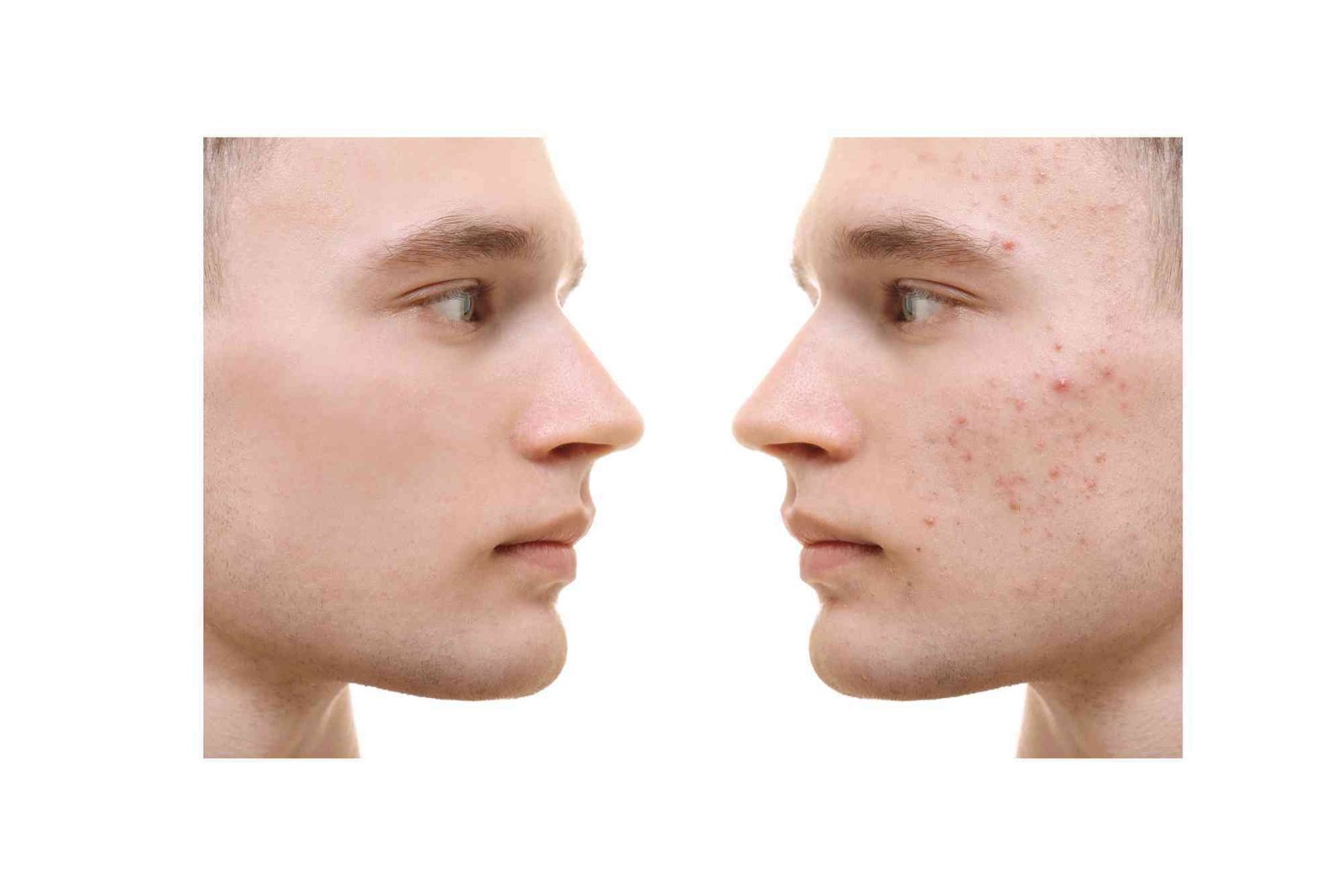
Before diving into treatments, it’s important to understand why acne develops. Acne occurs when hair follicles become clogged with oil, dead skin cells, and bacteria. Hormonal fluctuations, stress, poor diet, and environmental factors can all contribute to breakouts. Acne may appear as whiteheads, blackheads, pustules, or cystic lesions, each requiring slightly different care approaches. Knowing the root cause helps you choose treatments that heal without harming your skin.
Hormonal changes, particularly during puberty, menstruation, or pregnancy, trigger excess oil production. Stress and lack of sleep increase cortisol levels, further aggravating acne. Environmental pollution and heavy cosmetic use can clog pores, while diets high in sugar and processed foods may worsen inflammation. Recognizing these triggers allows you to address acne from both the inside and outside.
Gentle Cleansing for Acne-Prone Skin
Cleansing is the first step in any skincare routine for acne, but harsh scrubbing can strip your skin and cause irritation. Choose a mild, sulfate-free cleanser formulated for acne-prone skin. Cleanse twice daily—morning and night—to remove dirt, oil, and makeup. Use lukewarm water, as hot water can dry out skin and worsen breakouts.
When washing your face, avoid aggressive rubbing. Instead, use your fingertips in circular motions to gently cleanse the skin. This method removes impurities without damaging the skin’s natural protective barrier. Over-cleansing can trigger oil overproduction, making acne worse, so stick to gentle care.
Effective Acne Treatments Without Damage
Several acne treatments target bacteria, reduce oil, and calm inflammation while protecting skin. Ingredients like salicylic acid, benzoyl peroxide, and niacinamide are effective but should be used thoughtfully.
Salicylic acid penetrates pores, dissolving dead skin cells and preventing clogging. It is especially useful for blackheads and whiteheads. Benzoyl peroxide kills acne-causing bacteria but can be drying, so use it sparingly and combine with a moisturizer. Niacinamide reduces inflammation and helps maintain the skin barrier, making it ideal for sensitive or irritated skin.
Natural remedies can also be gentle and effective. Tea tree oil has antibacterial properties, while aloe vera soothes redness and inflammation. Honey masks can calm skin while providing hydration. Always patch-test new products to avoid allergic reactions and apply them in moderation.
Moisturizing Is Essential
Many people avoid moisturizers fearing they will make acne worse. However, skipping hydration can backfire. Acne treatments often dry the skin, causing irritation and prompting more oil production. Choose a lightweight, non-comedogenic moisturizer that does not clog pores. Gel-based or water-based formulas work well for oily, acne-prone skin.
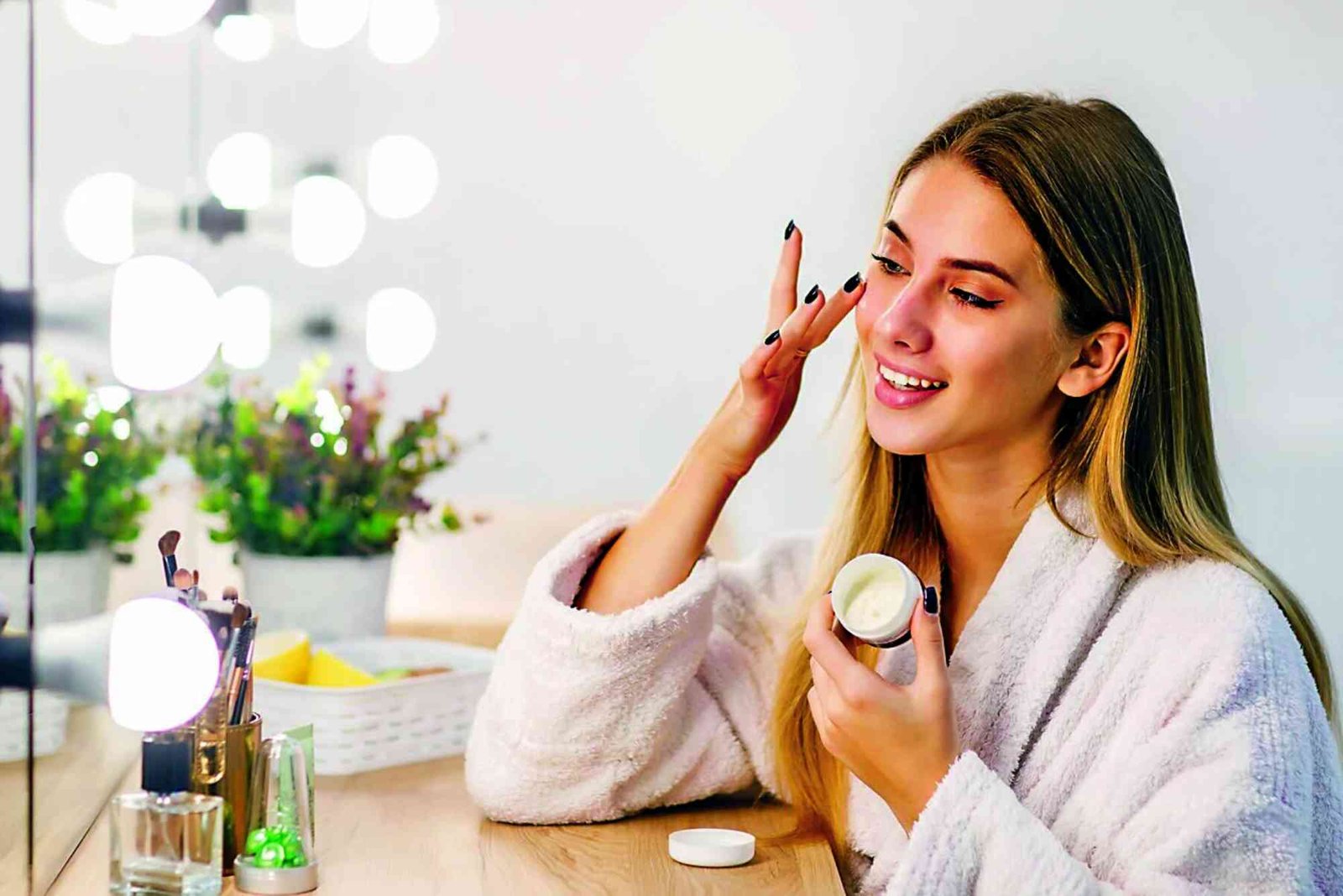
Moisturizing regularly supports your skin’s barrier, reducing redness and sensitivity. Apply after cleansing and treatment products to lock in hydration. Even oily skin needs moisture to balance oil production and maintain a healthy glow.
Sun Protection Without Breakouts
Sun exposure can worsen acne scars and cause premature aging. However, some sunscreens trigger breakouts if they are heavy or greasy. Opt for a non-comedogenic sunscreen with SPF 30 or higher. Mineral-based formulas with zinc oxide or titanium dioxide are gentle and protective.
Apply sunscreen daily, even on cloudy days. Reapply every two hours when outdoors, and avoid excessive sun exposure. Combining sunscreen with gentle skincare routines prevents further damage and protects healing skin.
Lifestyle Changes That Help Acne
Effective acne management goes beyond topical treatments. Diet, hydration, sleep, and stress management play crucial roles in skin health. Eating a balanced diet rich in fruits, vegetables, and omega-3 fatty acids supports anti-inflammatory processes. Limiting sugar, dairy, and processed foods may help reduce breakouts.
Hydration is essential; drinking enough water flushes toxins and maintains skin elasticity. Adequate sleep allows skin to repair overnight, while stress reduction techniques like meditation, yoga, or light exercise regulate hormones that influence acne. Consistency in healthy habits enhances the effectiveness of topical treatments.
Avoid Harmful Habits
Acne can be frustrating, but certain habits can make it worse. Avoid picking or squeezing pimples, which can lead to scarring, infection, and prolonged healing. Do not over-exfoliate; gentle exfoliation once or twice a week is sufficient.
Using harsh scrubs, abrasive brushes, or strong chemical peels can damage the skin barrier, causing redness and sensitivity. Stick to products designed for acne-prone skin and introduce new treatments gradually. Patience is essential—skin improvements take time, and overdoing treatments can backfire.
Professional Treatments
If over-the-counter solutions are insufficient, consider consulting a dermatologist. Professional treatments like chemical peels, laser therapy, or prescription topical medications can effectively manage acne without long-term damage. A dermatologist can tailor treatments based on your skin type and acne severity.
Prescription options like topical retinoids promote cell turnover, unclog pores, and reduce inflammation. Oral medications may be necessary for severe or cystic acne, but these should only be used under medical supervision to avoid side effects. Professional guidance ensures safe, targeted treatment and minimizes the risk of scarring.
Natural Home Remedies
Gentle home remedies can complement medical treatments. Green tea contains antioxidants that reduce inflammation, while oatmeal masks calm irritation. Applying honey or aloe vera can soothe skin and prevent dryness caused by acne treatments.
Maintaining hygiene is key. Regularly wash pillowcases, makeup brushes, and phone screens to reduce bacterial transfer to your face. Avoid touching your face unnecessarily, as it spreads oil and bacteria. Simple habits reinforce the effectiveness of skincare routines.
Maintaining Long-Term Results
Getting rid of acne is only half the battle; maintaining clear skin requires ongoing care. Stick to consistent cleansing, moisturizing, and sun protection routines. Continue healthy lifestyle practices, and monitor any triggers that may cause flare-ups.
Introduce new products slowly and track results to identify what works best for your skin. Avoid jumping between treatments too quickly, as this can disrupt your skin barrier. Regular exfoliation, hydration, and professional check-ups help maintain a clear, radiant complexion. Achieving clear skin without damage is possible with patience, consistency, and gentle care. Understanding acne triggers, using safe treatments, protecting your skin, and adopting healthy lifestyle habits all contribute to long-term success. Avoid harsh methods, and prioritize your skin’s natural balance for optimal results.
If you struggle with persistent acne, consider consulting a dermatologist to find safe and effective treatments tailored to your skin. Start implementing gentle skincare habits today to see healthier, glowing skin. Your skin deserves care, not punishment, and the right approach can lead to long-lasting results.
FAQs
Q: Can I get rid of acne overnight?
No, acne treatments take time. Overnight solutions may irritate or damage skin. Consistency and gentle care yield better results.
Q: Does diet affect acne?
Yes, diet impacts skin health. Reducing sugar, dairy, and processed foods can help manage breakouts. Hydration and nutrient-rich foods support clear skin.
Q: Is it safe to use benzoyl peroxide daily?
Benzoyl peroxide can be effective but may dry skin. Start with small amounts and combine with a moisturizer to avoid irritation.
Q: Can natural remedies replace acne medication?
Natural remedies can soothe and reduce mild acne but may not replace prescription treatments for severe cases. Always combine with a proper skincare routine.
Q: How long does it take to see results?
Visible improvements usually appear within 4–8 weeks. Consistent skincare, healthy habits, and avoiding harmful practices ensure steady progress.
Q: Can stress cause acne?
Yes, stress increases cortisol, which can trigger breakouts. Stress management techniques support both skin and overall health.
Q: Should I exfoliate if I have acne?
Exfoliation helps remove dead skin but should be gentle. Over-exfoliating can worsen acne and damage the skin barrier.