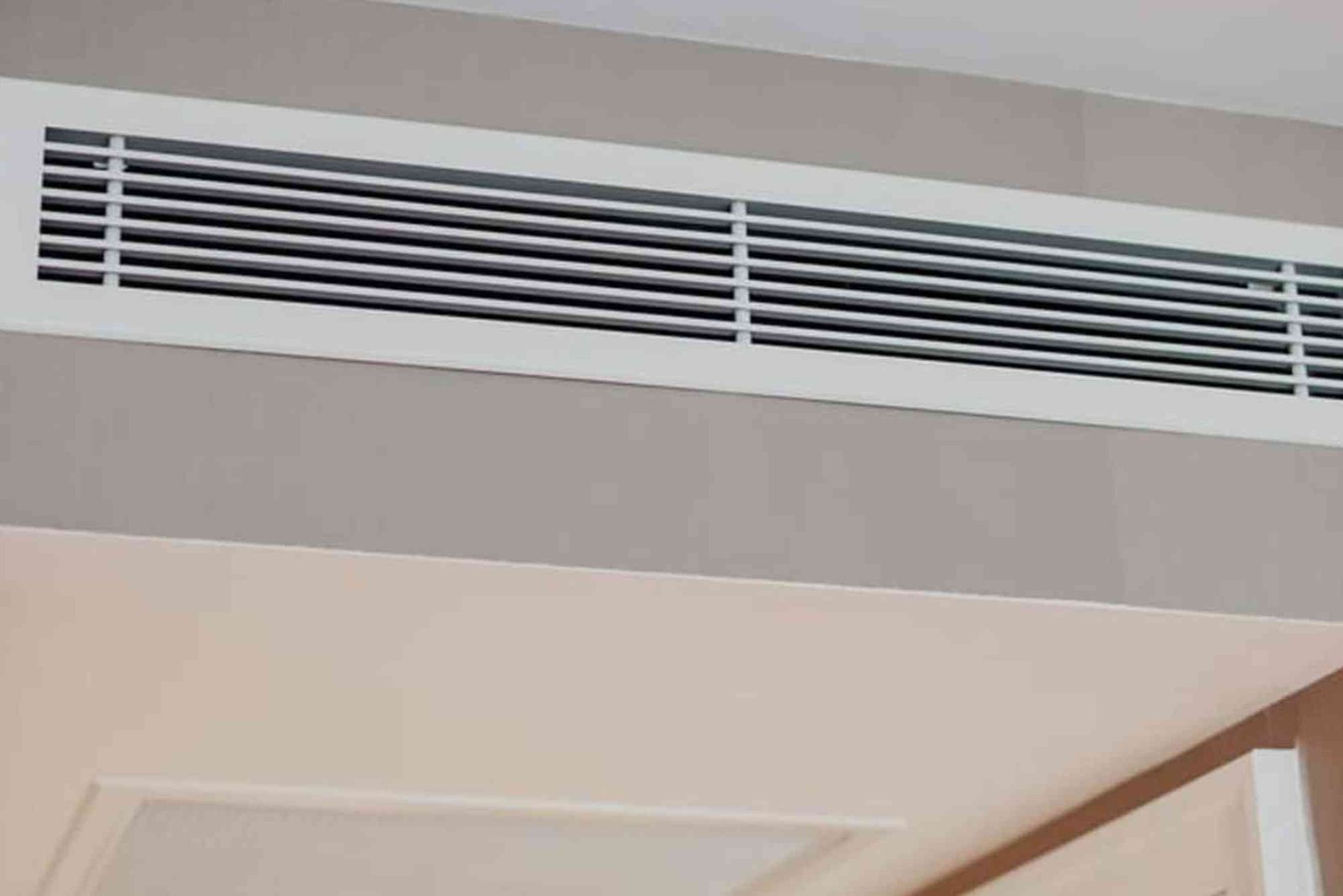
What Size Ducted AC Do I Need for My Home
Choosing the right ducted AC for your home is more than just a purchase decision; it’s about comfort, efficiency, and long-term savings. A system that is too small will struggle to cool your home, while one that is too large will waste energy and increase costs. Understanding what size ducted AC do I need for my home is essential for achieving optimal performance and comfort.
Understanding Ducted AC Systems
Ducted air conditioning systems distribute cool air through a network of ducts installed in ceilings or floors. Unlike split AC units, ducted systems offer uniform cooling across multiple rooms, making them ideal for larger homes or homes with multiple floors. These systems are designed to blend with your home’s interior seamlessly while providing centralized climate control.
The capacity of a ducted AC is measured in tons or BTUs (British Thermal Units). A higher BTU rating means the system can cool a larger space. Determining the right size depends on several factors, including the area of your home, ceiling height, insulation, and the number of occupants.
Calculating the Cooling Load
Before selecting a system, it’s important to calculate the cooling load. This is the total amount of cooling required to maintain a comfortable temperature in your home. Several elements affect this calculation.
Sun exposure plays a crucial role. Homes with large windows facing direct sunlight require more cooling capacity. Similarly, poorly insulated homes or homes with high ceilings may need a larger system. The number of people living in the home also affects the cooling load, as more occupants generate additional heat.
Professional ducted AC suppliers offer free consultations to evaluate your home’s cooling requirements. Working with a reputable ducted ac supplier ensures that you get an accurate assessment and avoid common sizing mistakes.

Common Sizing Guidelines
While exact sizing requires a professional assessment, there are general guidelines that homeowners can follow. For small homes or apartments under 1,000 square feet, a 1.5 to 2-ton system is usually sufficient. Medium-sized homes between 1,000 and 2,000 square feet often require 2.5 to 3-ton systems. Larger homes exceeding 2,000 square feet may need 4 tons or more, depending on other factors like insulation and window placement.
It’s important to remember that these are rough estimates. Each home is unique, and relying solely on square footage may lead to an undersized or oversized system. Consulting with an expert, such as an O General ac dealer, can help you make a precise decision.
Factors Affecting Ducted AC Size
Home Layout and Room Distribution
The layout of your home impacts how air circulates. Open floor plans allow air to flow more freely, while homes with many walls or multiple levels may require a system with higher capacity or additional ductwork.
Insulation and Building Materials
Well-insulated homes retain cool air better, reducing the load on your AC. Conversely, homes built with materials that absorb heat, such as brick or concrete, may need a larger system to maintain a consistent temperature.
Climate and External Temperature
The local climate is another key consideration. Homes in hot, humid regions require systems with higher cooling capacity. Ducted AC systems in such areas should be sized to handle peak summer temperatures efficiently.
Appliances and Electronics
Modern homes often have several heat-generating appliances. Kitchens, entertainment systems, and even lighting can add to the cooling load. Factoring in these elements ensures your ducted AC operates without strain.
Benefits of Choosing the Right Size
Selecting the correct ducted AC size offers multiple benefits. A properly sized system maintains a consistent temperature, reduces energy consumption, and prolongs the lifespan of the equipment. It also minimizes wear and tear, reducing the likelihood of breakdowns and costly repairs.
Oversized systems cool the room too quickly, causing the unit to cycle on and off frequently. This not only wastes energy but also reduces dehumidification, leaving your home less comfortable. On the other hand, undersized units run continuously, struggle to maintain desired temperatures, and may fail during peak heat.
Working With Professional Dealers
Partnering with professional suppliers ensures you select the right system for your home. Experienced dealers can assess your home’s specific needs, recommend the right ducted AC unit, and provide proper installation. Proper installation is just as crucial as sizing. Even the best system will underperform if the ductwork is poorly designed or improperly sealed.
An authorized O General ac dealer can provide expert advice, supply high-quality units, and offer ongoing maintenance to keep your system running efficiently. Similarly, a trusted ducted ac supplier can guide you through options, helping you choose a system that balances performance and cost.
Installation Considerations
Installing a ducted AC system requires careful planning. Placement of the main unit, routing of ducts, and location of vents affect both performance and efficiency. Professional installation ensures even distribution of cooled air and minimizes energy loss.
Additionally, modern ducted AC systems can be paired with smart thermostats and zoning systems. Zoning allows different rooms to maintain different temperatures, enhancing comfort and saving energy. Your dealer can integrate these features during installation to maximize benefits.
Maintenance and Longevity
Once installed, regular maintenance keeps your system running smoothly. Cleaning filters, checking refrigerant levels, and inspecting ductwork are essential for maintaining efficiency. Scheduled servicing also prevents small issues from turning into major repairs.
A professional dealer or supplier often provides maintenance packages, giving homeowners peace of mind. Investing in a high-quality ducted AC unit from the right supplier ensures long-term comfort, energy savings, and system reliability.
Signs Your Ducted AC May Be the Wrong Size
Some indicators suggest that your ducted AC might be improperly sized. If your home takes too long to cool, the system constantly runs, or certain rooms remain warmer than others, your AC may be undersized.
Conversely, if the AC cools too quickly and cycles frequently, it may be oversized. These issues not only impact comfort but also increase energy bills. Early recognition allows you to take corrective measures before the system suffers damage.
Conclusion
Understanding what size ducted AC do I need for my home is critical for comfort, energy efficiency, and long-term savings. By considering factors like home size, layout, insulation, climate, and occupancy, you can choose a system that meets your needs. Working with professional suppliers and dealers ensures accurate sizing, proper installation, and ongoing support.
Related Reading: How to maintain your AC for long life
Related Reading: Double Eagle Caracal CMP9 AEG — A Comprehensive Review — full guide