
Introduction
A good credit score opens doors to better loans, lower interest rates, and financial peace of mind. If your credit score is lower than you want, acting quickly and strategically can make a big difference. Improving your credit score fast requires understanding the key factors that affect it and applying practical steps to enhance your creditworthiness. In this guide, we will explore actionable strategies that can boost your credit score in a short time.
Understand Your Credit Score
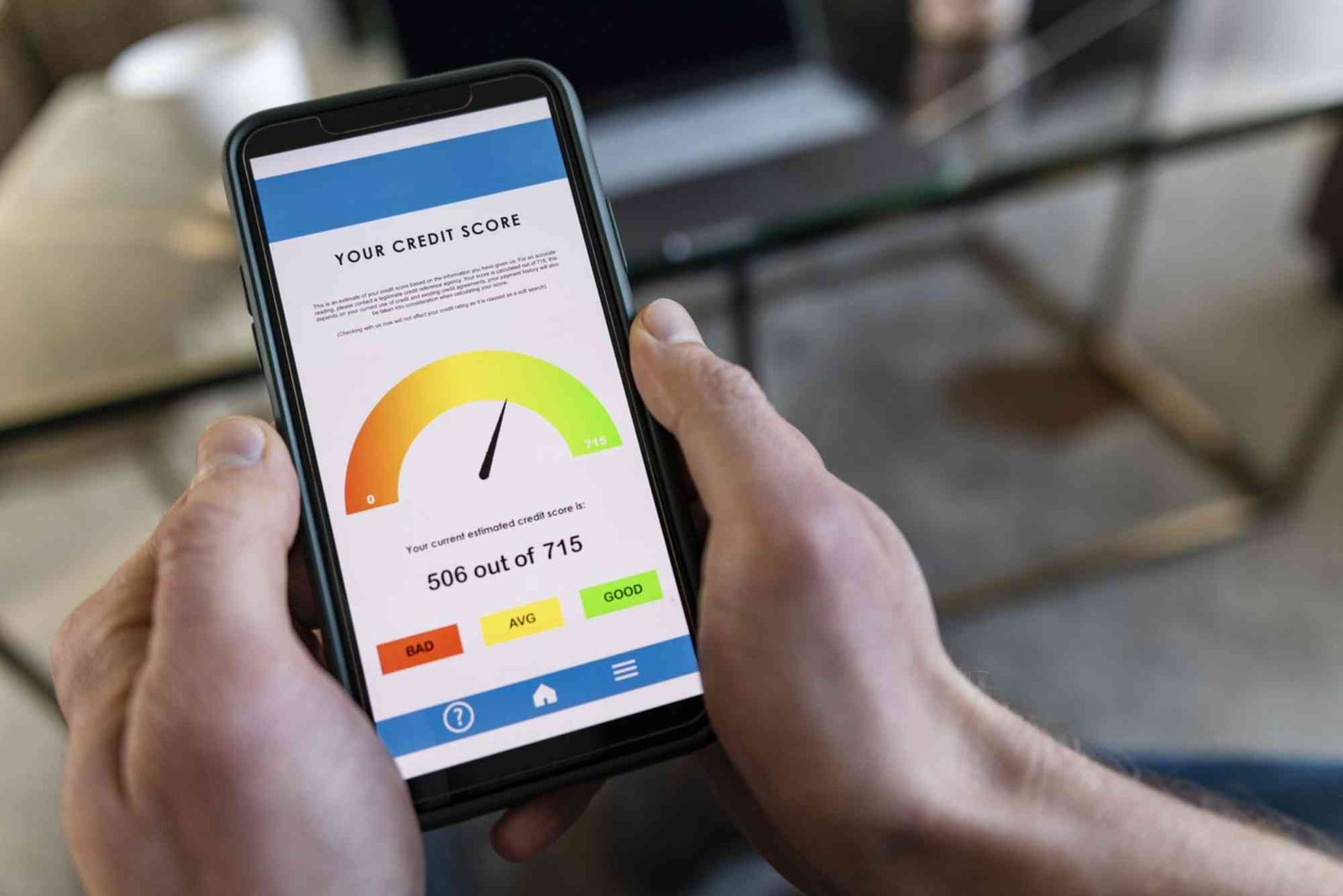
Before making improvements, it is crucial to understand what a credit score represents. Your credit score is a three-digit number calculated from your credit history, reflecting your reliability as a borrower. Lenders use it to assess your risk level. The most common scoring system is FICO, which ranges from 300 to 850. A higher score signifies responsible financial behavior, while a lower score may indicate missed payments, high debt, or limited credit history. Knowing your score gives you a starting point and highlights areas for improvement.
Check Your Credit Reports for Errors
One of the fastest ways to improve your credit score is by identifying and correcting errors in your credit reports. Request reports from the three major credit bureaus: Equifax, Experian, and TransUnion. Look for inaccuracies such as incorrect balances, accounts that do not belong to you, or late payments that were actually on time. Dispute these errors with the credit bureaus to ensure your score accurately reflects your financial behavior. Even minor corrections can result in an immediate increase in your score.
Pay Down High Credit Card Balances
Your credit utilization ratio, the percentage of available credit you are using, significantly impacts your credit score. Experts recommend keeping utilization below 30%, and ideally under 10%, to demonstrate responsible borrowing. If you have high balances, focus on paying them down strategically. Start with cards that are near their limits, or prioritize high-interest accounts first. Reducing your utilization ratio can quickly raise your score because it shows lenders that you are not overly reliant on credit.
Make Payments on Time
Payment history is the most important factor in your credit score. Even one missed payment can negatively affect your score. Set up automatic payments or reminders to ensure you never miss a due date. If you have missed payments in the past, bringing accounts current and staying consistent going forward can gradually improve your score. Lenders favor borrowers who demonstrate reliability over time, so timely payments are a foundational step in boosting your credit quickly.
Avoid Opening Too Many New Accounts
While it may be tempting to open new credit accounts to increase available credit, doing so can temporarily lower your score. Each new application triggers a hard inquiry, which can reduce your score slightly. Additionally, opening multiple accounts in a short period can signal financial instability to lenders. Focus instead on managing existing accounts responsibly. Over time, your consistent positive activity will contribute more to your score than rapidly opening new credit lines.
Strategically Handle Debt Collections
If you have accounts in collections, addressing them can positively impact your credit score. Start by contacting the creditor to negotiate payment or settlement. Some creditors may agree to remove the account from your credit report once it is paid, which is known as a “pay-for-delete” arrangement. Even if deletion is not possible, resolving outstanding debts shows lenders that you are taking responsibility and can contribute to credit improvement. Avoid ignoring collections, as this prolongs negative reporting.
Become an Authorized User
Another way to improve your credit score quickly is by becoming an authorized user on a responsible person’s credit card. When added to an account with a low balance and consistent on-time payments, your credit report will reflect that positive history. This can increase your score without requiring you to use the card actively. Choose someone with excellent credit habits to maximize the benefit. This strategy works especially well for individuals with limited credit history.
Use Credit-Building Tools
Several financial tools are designed to help you improve your credit score fast. Secured credit cards, for example, require a cash deposit but report activity to credit bureaus. Similarly, credit-builder loans allow you to make small, regular payments that are reported to the bureaus. These tools demonstrate responsible borrowing and diversify your credit mix, which is another factor influencing your score. By using these tools wisely, you can establish or improve your credit history in a matter of months.
Keep Old Accounts Open
The length of your credit history affects your credit score. Closing old accounts can shorten your credit age, potentially lowering your score. Keep older accounts open even if you do not use them frequently. This shows a long-standing history of responsible credit use, which lenders value. If you must close an account, prioritize newer ones first to maintain your average account age. Preserving the longevity of accounts is a subtle but effective way to boost your credit over time.
Monitor Your Progress Regularly
Regularly monitoring your credit score helps you understand the impact of your actions and adjust strategies accordingly. Many banks, credit card companies, and online platforms offer free credit monitoring services. By keeping track of changes, you can identify improvements or areas needing attention quickly. Monitoring also helps you spot potential fraud or errors early, protecting your credit from unexpected damage. Staying proactive is key to rapid and sustainable credit score improvement.
Improving your credit score fast requires a mix of strategic action, responsible credit management, and awareness of your financial behavior. Checking your credit reports for errors, paying down balances, making timely payments, and using credit wisely are all steps that can produce quick results. Remember, there are no overnight miracles, but consistent, informed efforts can lead to significant improvements. Take control of your financial future today and start implementing these strategies. Your credit score can rise faster than you think, opening doors to better loans, lower interest rates, and financial freedom. Boost your credit today by reviewing your report, paying off balances, and managing your accounts responsibly. Every positive action brings you closer to a stronger financial profile.
FAQs
How long does it take to improve a credit score?
Improvement depends on actions and history, but noticeable changes can occur in a few months with consistent efforts.
Can paying off collections improve my credit score fast?
Yes, resolving collections shows responsibility, which can positively impact your score, especially if the creditor agrees to remove it.
Will becoming an authorized user increase my score?
Yes, being added to a responsible person’s account can reflect positive payment history, boosting your score quickly.
Does paying off credit cards immediately help?
Yes, reducing your credit utilization ratio quickly can improve your score within a month or two.
Are secured credit cards effective for credit improvement?
Absolutely, they help build or rebuild credit while ensuring responsible usage is reported to credit bureaus.