

Introduction
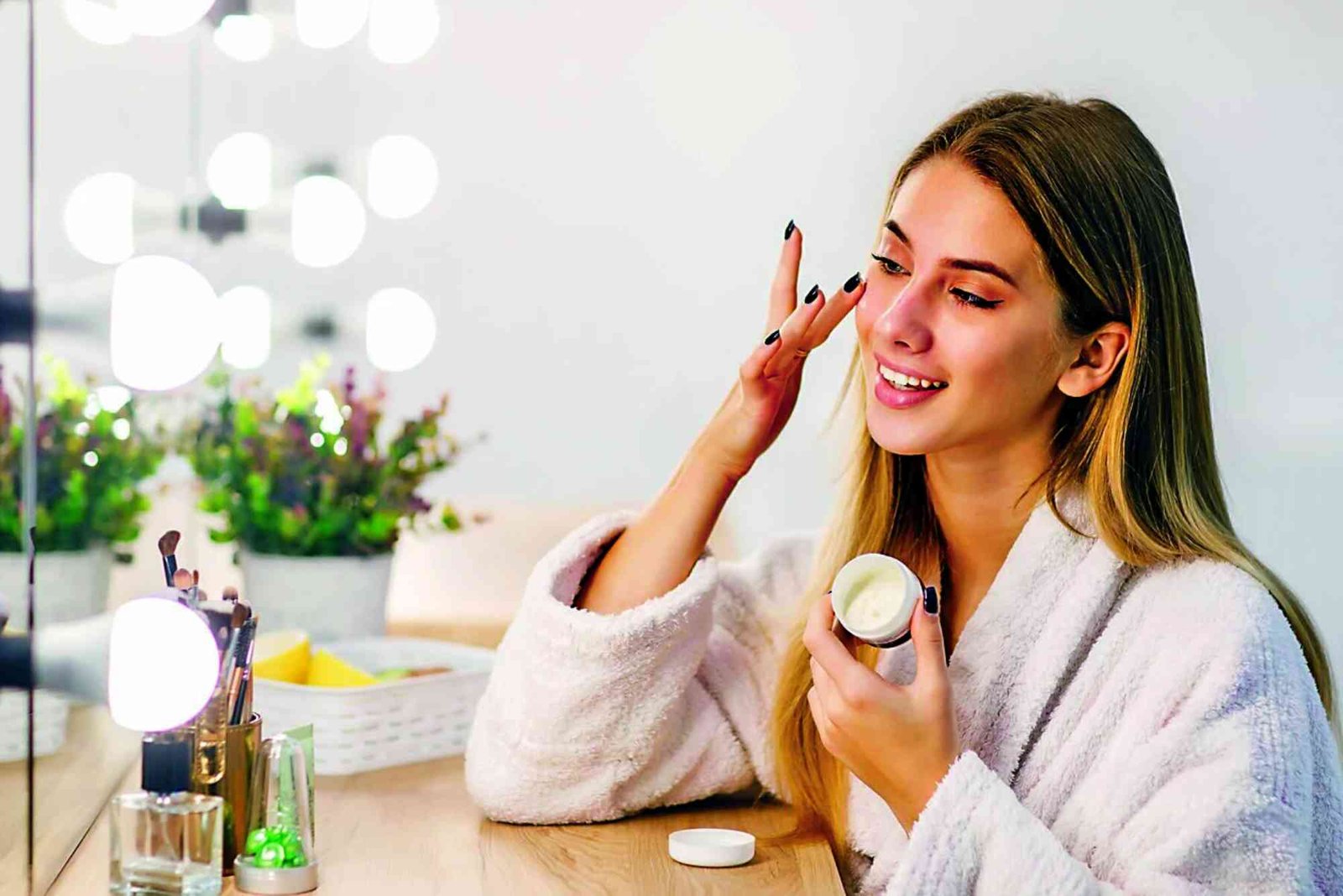
Glass skin is the ultimate symbol of flawless, radiant, and deeply hydrated skin. This coveted look originates from Korean beauty trends and has gained worldwide popularity for its sheer, luminous effect. Achieving glass skin requires a consistent skincare routine, understanding your skin type, and incorporating lifestyle habits that promote natural radiance. Unlike heavy makeup, glass skin emphasizes a healthy, hydrated glow that shines from within.
Understanding Glass Skin
Before diving into the routine, it’s important to understand what glass skin truly means. Glass skin is characterized by its smooth texture, translucency, even tone, and noticeable glow. The goal isn’t just to make the skin look shiny but to maintain a balance of hydration, nourishment, and health. It involves layers of gentle care rather than aggressive treatments, focusing on enhancing your natural skin barrier.
Preparation: Know Your Skin Type
Achieving glass skin starts with knowing your skin type. Whether oily, dry, combination, or sensitive, each type requires specific care. Dry skin benefits from heavier hydration and nourishing oils, while oily skin requires lightweight moisturizers that maintain moisture without clogging pores. Combination skin needs a balanced approach, focusing on dry areas with intensive hydration and oily zones with gentle, non-comedogenic products. Sensitive skin demands mild formulations that calm irritation while boosting moisture. Understanding your skin type ensures your glass skin routine is effective and sustainable.
Double Cleansing
Double cleansing is a cornerstone of the glass skin method. The first step involves using an oil-based cleanser to remove makeup, sunscreen, and excess sebum. This step ensures impurities are dissolved without stripping the skin of its natural oils. The second step uses a gentle water-based cleanser to eliminate sweat, dirt, and remaining residue. This two-step process ensures a perfectly clean canvas, allowing other products to penetrate more effectively and promote healthy, radiant skin.
Exfoliation for Smooth Texture
Exfoliation is key for achieving a smooth, reflective surface. Chemical exfoliants like AHAs and BHAs are preferred for glass skin because they gently dissolve dead skin cells without causing micro-tears. AHAs, such as glycolic and lactic acid, are ideal for brightening and improving texture. BHAs, like salicylic acid, help unclog pores and reduce blackheads. Exfoliate 2-3 times per week depending on skin sensitivity to reveal fresh, luminous skin underneath. Over-exfoliating can lead to irritation, so moderation is crucial.
Hydration and Toner Layering
Hydration is the essence of glass skin. After cleansing, apply a hydrating toner or essence to replenish moisture. These products are lightweight, water-based, and designed to boost skin elasticity while preparing the skin for further treatment. Layering multiple thin layers of toner or essence can help achieve a plump, glass-like appearance. Gently pat the product into the skin to enhance absorption, promoting a soft, supple texture that glows naturally.
Serums for Targeted Care
Serums are concentrated treatments that address specific skin concerns. For glass skin, look for serums that focus on hydration, brightening, and antioxidant protection. Hyaluronic acid serums lock in moisture, while vitamin C serums brighten and even out skin tone. Niacinamide can reduce redness and improve barrier function, giving the skin a smooth, luminous finish. Apply serums after toner, allowing each layer to absorb fully before adding the next, creating a layered effect that intensifies hydration and radiance.
Moisturize Generously
Moisturizers seal in all the hydrating layers beneath and maintain skin barrier integrity. Lightweight gels or lotions work well for oily skin, while creams and emollients suit dry skin. Look for ingredients like ceramides, squalane, and glycerin to strengthen the skin barrier while providing lasting hydration. A well-moisturized base reflects light naturally, enhancing the glass skin effect without the need for heavy highlighters or makeup.
Sunscreen is Non-Negotiable
Sun protection is essential for maintaining a clear, radiant complexion. Daily sunscreen prevents UV-induced damage, hyperpigmentation, and premature aging. Choose a broad-spectrum SPF 30 or higher, and reapply every two hours if exposed to sunlight. For glass skin, sunscreen should be lightweight and non-greasy to avoid disrupting the smooth, hydrated surface. Skipping sun protection can negate months of skincare effort, as UV damage can dull the skin’s natural glow.
Face Masks for Extra Hydration
Incorporating sheet masks or overnight masks into your routine can elevate your glass skin results. Hydrating sheet masks infused with hyaluronic acid, aloe vera, or botanical extracts provide an immediate boost of moisture. Overnight sleeping masks act as intensive hydration treatments, locking in all the products applied during your routine. Use these masks 2-3 times per week to achieve and maintain that luminous, reflective appearance.
Lifestyle Habits that Support Glass Skin
Achieving glass skin is not just about topical products; lifestyle choices play a crucial role. Staying hydrated by drinking enough water supports overall skin health. A balanced diet rich in antioxidants, vitamins, and omega-3 fatty acids nourishes the skin from within. Adequate sleep and stress management also impact skin’s appearance, as cortisol and lack of rest can trigger breakouts and dullness. Avoid smoking and excessive alcohol, as these habits reduce skin elasticity and radiance.
Makeup for Glass Skin Enhancement
Makeup should enhance, not mask, your glass skin. Lightweight foundations or tinted moisturizers maintain a natural glow. Cream highlighters can be strategically applied on the high points of the face, like cheekbones and brow bones, to accentuate luminosity. Avoid heavy powders that matte the skin completely. The key is to create a dewy finish that complements your skincare efforts, giving the illusion of naturally flawless skin.
Common Mistakes to Avoid
One common mistake is skipping steps in the routine, which can compromise results. Over-exfoliation or using harsh products can damage the skin barrier, resulting in irritation rather than glow. Inconsistent hydration or neglecting sunscreen can also hinder progress. Another error is relying solely on makeup to mimic glass skin, which often appears cakey without proper preparation. Consistency, gentle care, and understanding your skin’s needs are crucial for long-lasting results.
Achieving glass skin is a journey of consistent care, hydration, and mindful lifestyle choices. It’s about nurturing your skin, understanding its needs, and layering products strategically to enhance natural radiance. By incorporating gentle cleansing, exfoliation, hydration, targeted serums, moisturizers, sunscreen, and supportive lifestyle habits, you can attain that coveted glass-like glow. Start implementing these steps today and experience the transformative effects of glass skin. Your skin will not only look radiant but also feel healthy and resilient. Transform your skincare routine, embrace the glow, and let your skin shine naturally.
FAQs
How long does it take to achieve glass skin?
Results vary depending on your starting skin condition. With consistent care, noticeable improvements often appear in 4-6 weeks.
Can oily skin achieve glass skin?
Yes, oily skin can achieve glass skin by using lightweight, non-comedogenic hydrating products and regular exfoliation.
Is glass skin suitable for sensitive skin?
Absolutely, but opt for mild, fragrance-free products and avoid over-exfoliating to prevent irritation.
Do I need expensive products for glass skin?
Not necessarily. The key is proper layering, hydration, and consistency. Affordable, effective products can achieve excellent results.
Can I get glass skin without makeup?
Yes, the essence of glass skin is natural radiance. Makeup enhances the effect but isn’t required for the glow.