Introduction
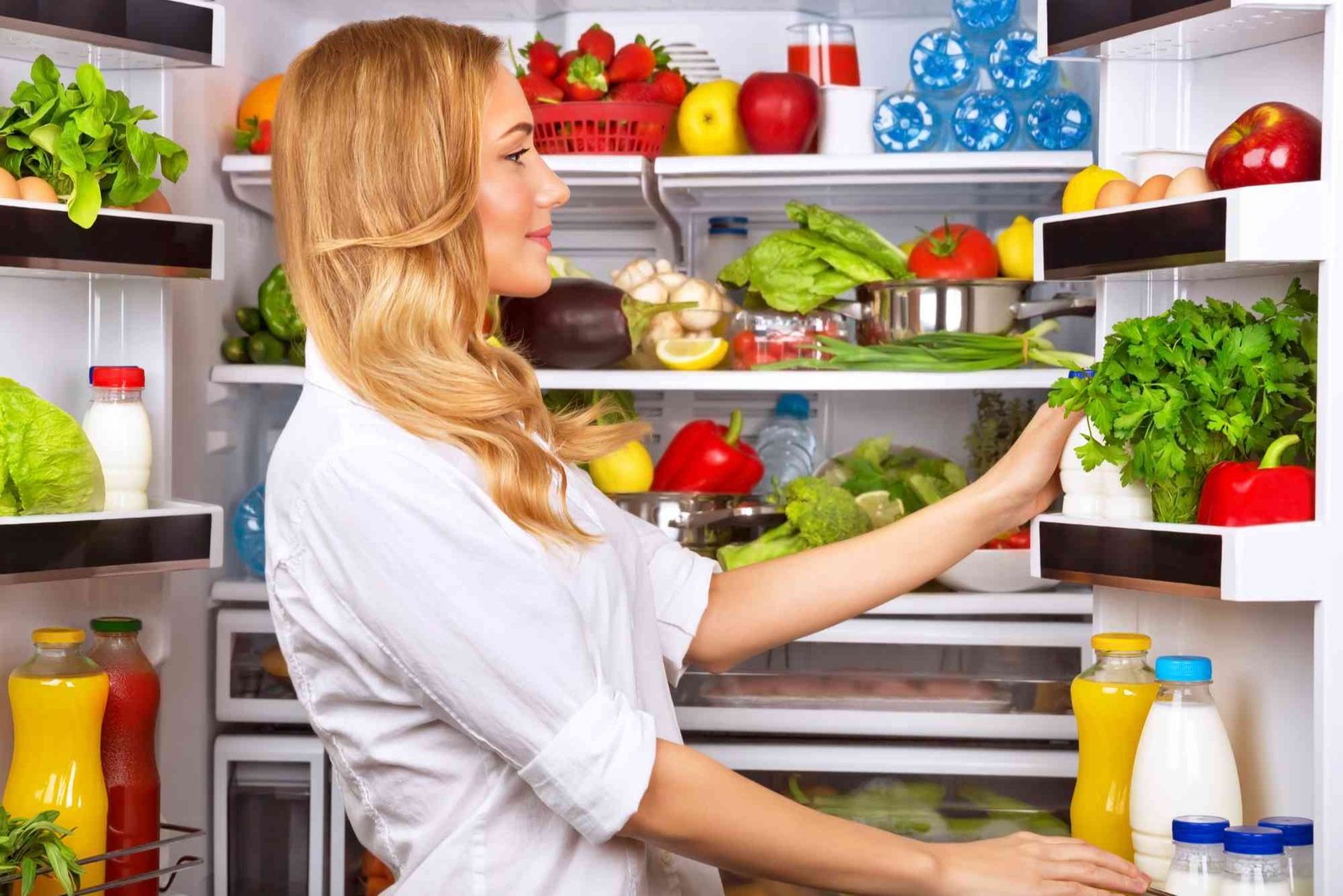
Knowing how to make fresh food last longer in the fridge is essential for every household. Food waste is a growing problem, and improper storage is one of the main reasons fresh groceries spoil quickly. When fruits, vegetables, dairy, and cooked meals are not stored correctly, they lose freshness, flavor, and nutritional value.
By learning how to make fresh food last longer in the fridge, you can save money, reduce waste, and enjoy healthier meals every day. Small changes in how you organize and store food can significantly extend its shelf life. In this guide, we will explore practical and proven methods that help keep your food fresh for longer periods while maintaining safety and quality.
Understanding How Refrigeration Affects Fresh Food
To understand how to make fresh food last longer in the fridge, it is important to know how refrigeration works. A fridge slows down bacterial growth by keeping food at a low temperature. However, not all areas of the fridge are equally cold, and different foods require different storage conditions.
For example, the door section is warmer due to frequent opening, while the back shelves are usually colder. This difference plays a major role in how long your food stays fresh. When you place items in the right zone, you naturally extend their freshness.
Moisture levels inside the fridge also matter. Too much moisture can lead to mold, while too little can cause dehydration. Balancing these conditions is a key step in learning how to make fresh food last longer in the fridge effectively.
Proper Temperature Control for Longer Freshness
One of the most important factors in how to make fresh food last longer in the fridge is maintaining the correct temperature. The ideal refrigerator temperature is between 1°C and 4°C. If the temperature rises above this range, bacteria can grow faster and spoil food.

It is also important not to overload the fridge. When too many items are packed tightly, cold air cannot circulate properly. This leads to uneven cooling and faster spoilage. Keeping enough space between items ensures consistent temperature distribution.
Another helpful habit is checking your fridge temperature regularly. Many people overlook this, but even small fluctuations can affect freshness over time.
Smart Storage Techniques to Preserve Freshness
Learning how to make fresh food last longer in the fridge also involves proper storage techniques. Different foods need different storage methods to stay fresh.
Fruits and vegetables should be stored separately because some fruits release ethylene gas, which speeds up ripening. When stored together, vegetables can spoil faster. Using separate drawers helps maintain balance and freshness.
Dairy products should always be kept on the middle shelves where temperature remains stable. Storing milk or yogurt in the door may expose them to temperature changes, reducing their shelf life.
Cooked food should be placed in airtight containers before refrigerating. This prevents exposure to air and moisture, both of which contribute to spoilage. Proper sealing is one of the simplest yet most effective ways to learn how to make fresh food last longer in the fridge.
Importance of Cleanliness Inside the Fridge
Cleanliness plays a major role in how to make fresh food last longer in the fridge. A dirty fridge can harbor bacteria, odors, and mold, all of which affect food quality.
Regular cleaning helps maintain hygiene and prevents cross-contamination. Spilled liquids or spoiled food particles can quickly spread bacteria to other items. Keeping shelves clean ensures that your food stays safe and fresh.
It is also important to check expiration dates frequently. Removing expired or spoiled items immediately helps maintain a healthy environment inside the fridge.
Proper Packaging for Extended Shelf Life
Packaging is another key factor in how to make fresh food last longer in the fridge. The way food is wrapped or stored directly impacts its freshness.
Using airtight containers helps lock in moisture and prevents air exposure. Plastic wrap or reusable silicone covers are also useful for covering leftovers and cut fruits.
For vegetables, breathable bags or perforated containers work best because they allow airflow while maintaining moisture balance. This prevents wilting and keeps vegetables crisp for longer.
Labeling containers with dates is another helpful practice. It ensures that older food is used first, reducing waste and improving organization.
Organizing the Fridge Efficiently
Efficient organization is essential in understanding how to make fresh food last longer in the fridge. A well-organized fridge allows better airflow and makes it easier to track food freshness.
Placing older items at the front encourages you to use them first. This simple habit prevents forgotten food from spoiling at the back of shelves.
Grouping similar items together also helps maintain order and reduces the time the fridge door stays open. Less opening time means more stable internal temperature, which directly contributes to freshness.
Foods That Require Extra Attention
Some foods are more sensitive and require special care when learning how to make fresh food last longer in the fridge.
Leafy greens, for example, should be wrapped in paper towels before storing. This absorbs excess moisture and prevents wilting.
Berries should be stored in shallow containers and checked regularly for mold. Removing spoiled berries immediately prevents contamination of others.
Cooked rice and meat should always be cooled before refrigeration. Placing hot food directly in the fridge raises the internal temperature and affects other stored items.
Common Mistakes That Reduce Freshness
Many people unknowingly make mistakes that shorten food life. One common mistake is storing hot food directly in the fridge. This increases humidity and affects nearby items.
Another mistake is ignoring fridge zones. Placing all items randomly leads to uneven cooling and faster spoilage.
Overstocking is also a major issue. A crowded fridge blocks airflow, which reduces cooling efficiency. Avoiding these mistakes is a key step in mastering how to make fresh food last longer in the fridge.
Conclusion
Learning how to make fresh food last longer in the fridge is not complicated, but it requires consistent habits. From controlling temperature and organizing properly to using airtight storage and maintaining cleanliness, every step contributes to longer freshness and better food quality.
When you apply these simple yet effective techniques, you not only reduce food waste but also improve your daily meals. Fresh ingredients mean better taste, better nutrition, and better savings.
Start implementing these practices today and notice the difference in how long your food stays fresh. If you found these tips helpful, share them with others and take the first step toward smarter food storage habits in your home.
FAQ
Why does food spoil quickly in the fridge?
Food spoils quickly when the fridge temperature is unstable or when items are stored incorrectly. Poor packaging and overcrowding also speed up spoilage.
How can I keep vegetables fresh longer in the fridge?
Vegetables stay fresh longer when stored in breathable bags with proper moisture control. Keeping them separate from fruits also helps.
What is the best temperature for a fridge?
The ideal temperature is between 1°C and 4°C. This range slows bacterial growth and keeps food fresh for longer.
Does storing hot food in the fridge affect freshness?
Yes, placing hot food in the fridge increases internal temperature. This can spoil other foods and reduce overall freshness.
How often should I clean my fridge?
Cleaning your fridge every two to three weeks is recommended. Regular cleaning prevents bacteria buildup and keeps food safe.